

Before you start
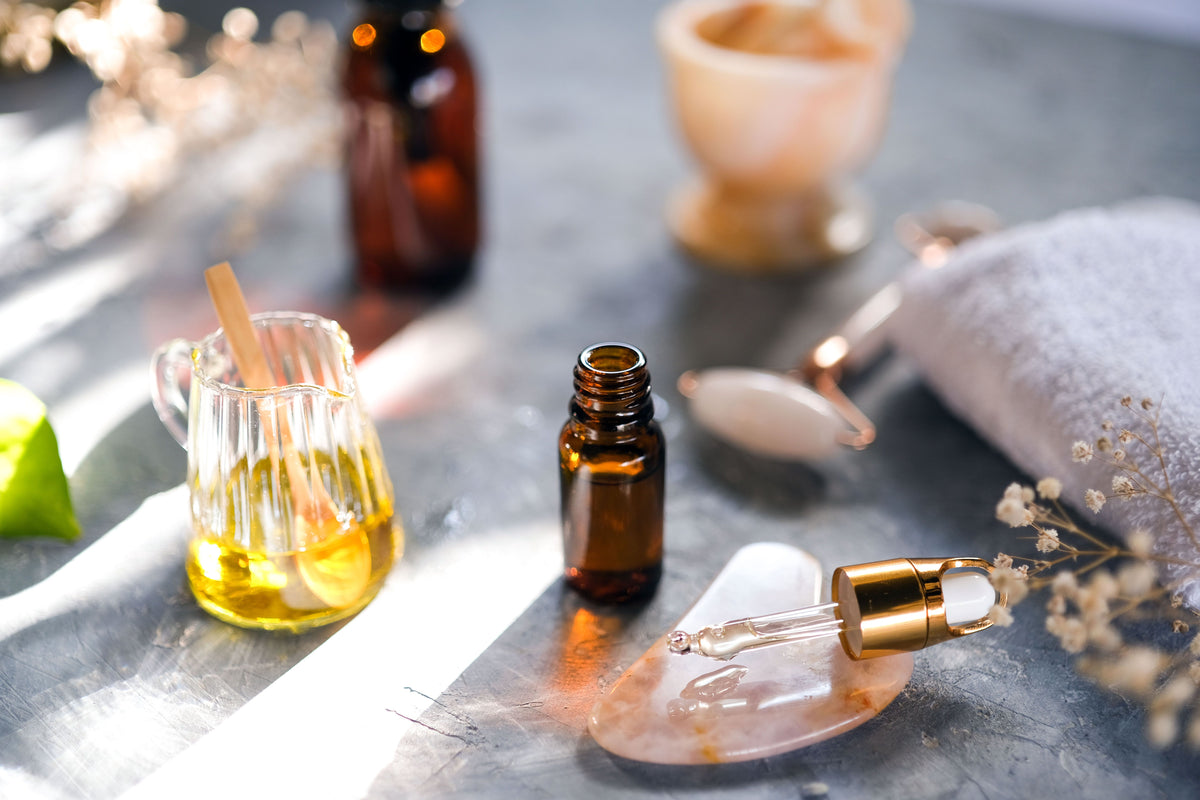
A relaxing massage begins long before your hands touch your partner’s back. Taking five minutes to prepare the space will make a much bigger difference than buying expensive massage oils or filling the room with candles.
Start by making sure the room is comfortably warm. One thing I almost never paid attention to before becoming a massage therapist was room temperature. Then I watched dozens of people tense their shoulders the moment they felt cold. It’s surprisingly difficult to relax when you’re lying still in a chilly room.
Massage therapist’s note
Cold hands or cold oil can pull your partner out of relaxation instantly. Those first few moments set the tone.
Next, put your phones somewhere you can’t easily reach. Even a quick glance at a notification can pull you both out of the moment. A massage is one of those rare opportunities to slow down together without distractions, so it’s worth protecting that time.
If you’d like to play music, choose something soft and keep the volume low. It should sit quietly in the background rather than become the centre of attention. Silence is perfectly fine too.
You’ll also want a large towel to protect your sheets if you’re using massage oil, and another towel or blanket to cover the parts of your partner’s body that you’re not massaging. Staying warm makes it much easier for the muscles to relax.
Prepare yourself
Before you begin, take off any rings, bracelets or watches that could scratch your partner’s skin. If your nails are on the longer side, it’s worth trimming them first or being extra aware of how you’re using your hands.
If you’re using massage oil, pour a small amount into your palms and rub your hands together for a few seconds before touching your partner. This warms both your hands and the oil, making the first contact much more comfortable. Cold hands have a way of making people tense up before the massage has even started.
You don’t need much oil, either. Just enough for your hands to glide comfortably across the skin. If your hands begin to drag, you can always add another drop or two later.
Help your partner get comfortable
Ask your partner to lie on their stomach in a position that feels natural. A pillow under the ankles often helps take pressure off the lower back, and some people also enjoy having a small pillow under their chest or forehead for extra support.
If they have long hair, ask them to tie it up or move it to one side so it doesn’t get caught under your hands.
Before you begin, ask whether there are any areas they’d rather you avoid. They might have a sore shoulder, an old injury or simply not enjoy having a particular area massaged.
It’s also worth mentioning that you’ll check in once or twice about the pressure during the massage. That way they know they don’t need to keep giving feedback every few minutes, but they also feel comfortable speaking up if something doesn’t feel quite right.
Start with the shoulders
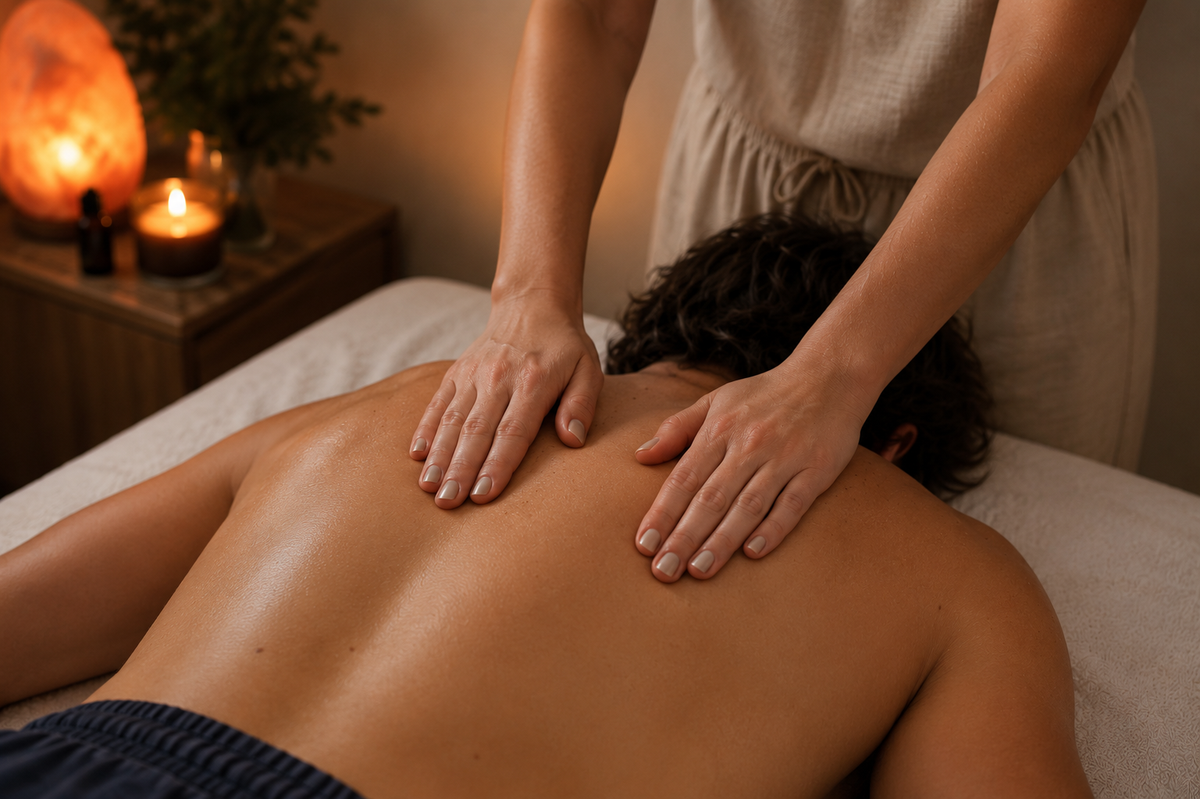
The shoulders are usually the easiest place to begin because that’s where many people carry tension after a day spent working at a desk, driving or looking at a screen.
Before making your first movement, simply rest both hands gently on your partner’s shoulders for a few seconds. It might seem like a tiny detail, but it gives them a chance to settle into the experience instead of being surprised by your first touch.
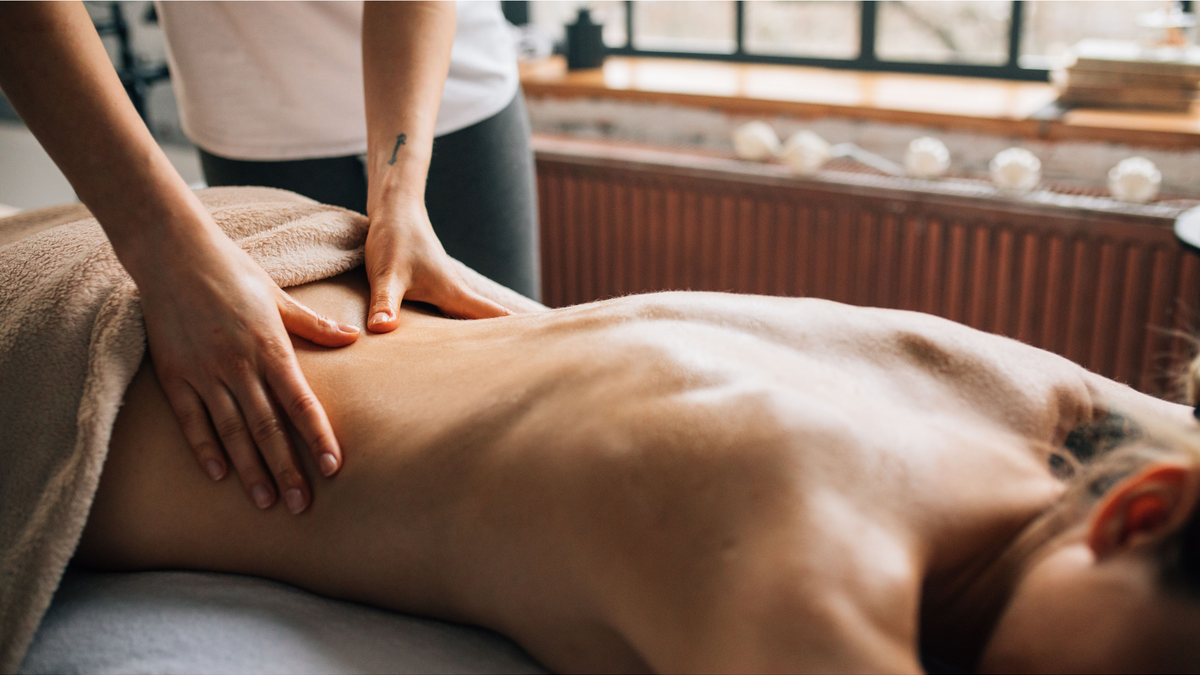
Once they seem comfortable, begin using slow, gliding movements from the tops of the shoulders towards the middle of the back. Let your whole hand make contact with the skin rather than using just your fingertips. Repeat the same movement several times before changing anything.
One of the biggest mistakes beginners make is moving on too quickly. If a movement feels nice, there’s no reason to replace it after ten seconds. Repeating the same slow stroke several times often feels much more relaxing than constantly trying something new.
Start with lighter pressure than you think
If there’s one thing I’d tell almost everyone giving their first massage, it’s this: start lighter than you think.
You can always add more pressure. Starting too firmly may cause the body to tense up and make it more difficult for your partner to relax.
Many people assume that a stronger massage is automatically a better massage, but that’s rarely the case. When someone is trying to unwind after a long day, comfort is much more important than intensity.
As you massage, pay attention to how your partner responds. You might notice their breathing becoming slower, their shoulders dropping or their body beginning to feel softer beneath your hands. Those are all good signs that they’re relaxing.
Try asking:
“Would you like a little more pressure, or is this comfortable?”
Asking once or twice during the massage shows that you’re paying attention without interrupting the flow.
Use long, gliding movements
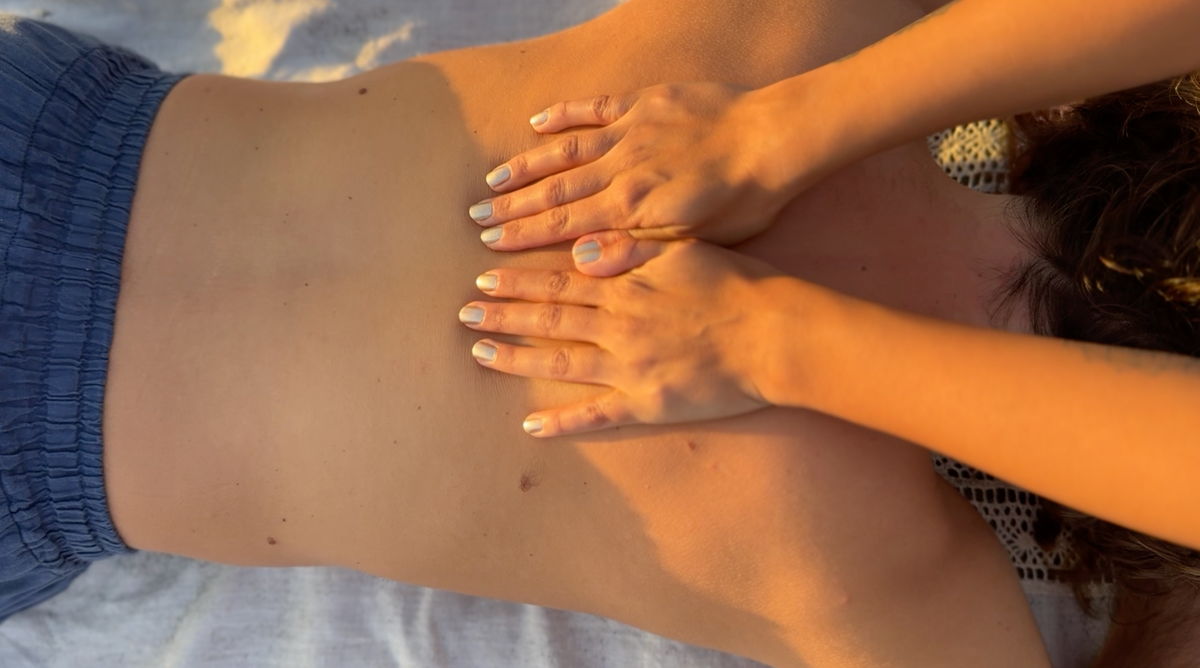
One of the easiest ways to make a massage feel relaxing is to slow everything down.
Starting at the shoulders, glide your hands slowly towards the middle of the back before gently returning to where you started. The return movement should be just as slow as the first one. Think of each stroke as one continuous movement rather than lots of short rubs.
Repeat this several times before changing direction or trying another movement. A slower pace gives the muscles time to soften and allows your partner to settle into the rhythm of the massage.
People often think they need to learn lots of different techniques, but in reality, a few simple movements done slowly usually feel much better than ten different techniques done in a hurry.
Spend longer on tighter areas
As your hands move across the back, you may notice areas that feel a little firmer than others, particularly around the tops of the shoulders or between the shoulder blades.
Your first instinct might be to press harder. Instead, slow down.
Spend another thirty seconds using the same gentle movement before gradually increasing the pressure if your partner enjoys it. Quite often, the muscles begin to soften simply because you’ve given them a little more time.
If something feels particularly sensitive, ask your partner how it feels before adding more pressure. There’s no need to work through discomfort. A relaxing massage should leave someone feeling lighter, not sore.
Work around the shoulder blades
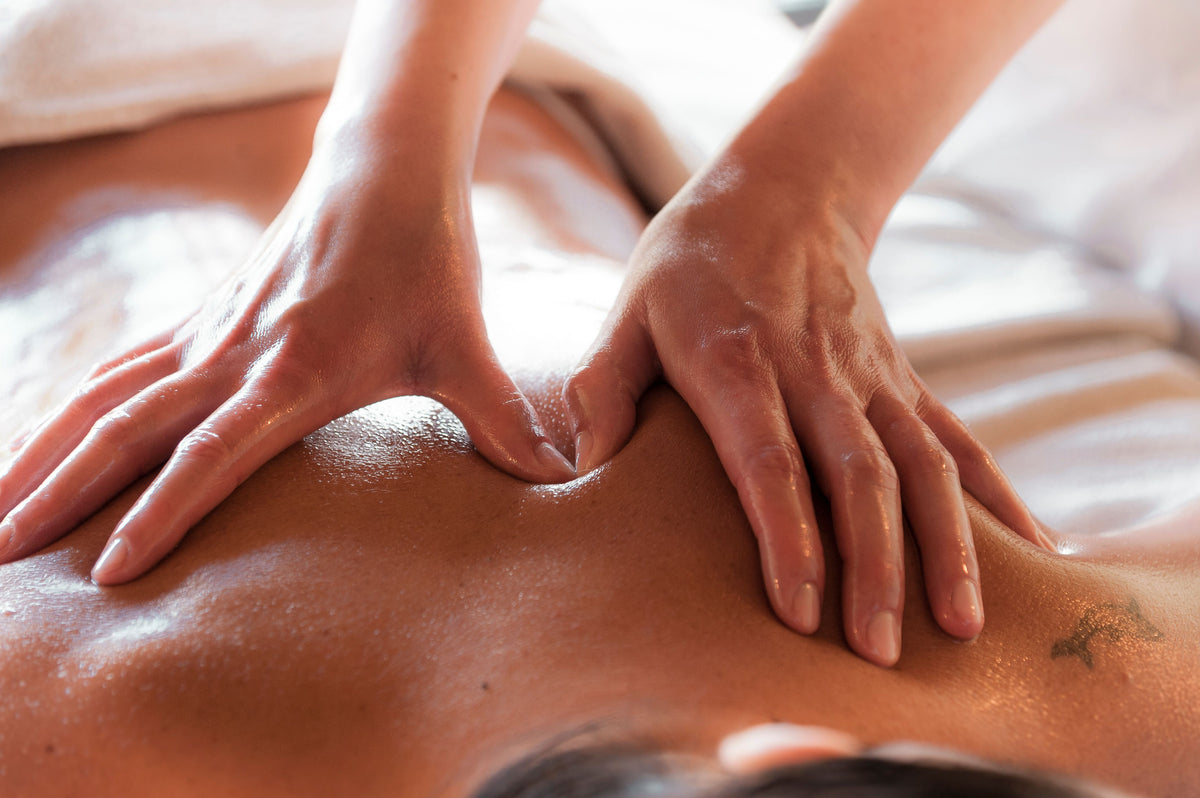
Once you’ve spent a few minutes using long, gliding movements, you can begin spending a little more time around the shoulder blades. This is an area where many people carry tension, especially if they spend long hours sitting at a desk.
Use your thumbs to make slow, gentle circles around the muscles that sit on top of the shoulder blades rather than pressing directly onto the bone itself. Your thumbs don’t need to dig into the muscles. Gentle, steady pressure usually feels much better than trying to work as deeply as possible.
After twenty or thirty seconds, switch back to using your palms and whole hands. Your thumbs are useful for smaller areas, but they tire quickly, and using your whole hand creates a softer, more relaxing feeling.
Take your time moving from one shoulder to the other. There is no need to work both sides evenly every minute. If one shoulder feels tighter than the other, it’s perfectly fine to spend a little longer there before moving across.
Avoid pressing directly on the spine
One question I hear quite often is whether it’s okay to massage directly over the spine. The answer is no.
Instead, keep your hands on the muscles that run along either side of it. That’s where you’ll usually find everyday tension, and it’s a much more comfortable area to massage.
If you’re ever unsure where your hands should be, simply move a few centimetres to either side of the spine and let your palms follow the muscles naturally. There’s no need to press hard or search for every knot you can feel.
Keep it simple
It’s easy to think that giving a good massage means constantly changing what you’re doing. In reality, repeating a few simple movements slowly often feels much more relaxing than trying ten different techniques you’ve just learned online.
I’ve seen people worry because they only know one or two massage movements. That has never really been the problem. More often, massages feel rushed because people keep thinking they need to do something different.
If your partner enjoys a particular movement, stay there for a while. There’s no rule that says you have to move on after thirty seconds. Familiar, steady movements allow the body to relax because there’s nothing unexpected happening.
How to tell if your partner is relaxing
One of the things massage taught me is that people don’t always tell you what they’re feeling, but their body often does.
Pay attention to the little things. You might notice their breathing becoming slower, their shoulders beginning to drop or their muscles feeling softer beneath your hands. These are usually signs that they’re starting to relax.
One thing I’ve noticed over the years is that people often start talking during the first minute of a massage, then gradually become quieter as they relax. Don’t feel like you need to fill that silence. It’s usually a sign that they’re enjoying the moment.
On the other hand, if you notice them holding their breath, lifting their shoulders or tensing their muscles, try slowing down or using a little less pressure. A relaxing massage should never feel like something they need to endure.
Finish the massage slowly
The last few minutes are just as important as the first.
Before you finish, return to the same long, gliding movements you started with. Think of it as giving the body a chance to settle again after spending a little more time around the shoulders and upper back.
When you’re ready to stop, let your hands rest gently on your partner’s shoulders for a few seconds before slowly lifting them away. It’s a simple detail, but it gives the massage a natural ending instead of making it feel as though it suddenly stopped.
Don’t rush to ask, “So… how was it?” Instead, give your partner a minute or two to simply enjoy the feeling before they sit up. Sometimes those quiet moments afterwards are people’s favourite part.
If you have the time, make yourselves a cup of tea, open a window, or simply stay together for a few more minutes before picking up your phones again. The massage might only last twenty minutes, but the feeling of slowing down together often lasts much longer.
Looking for a little more guidance?
Like any new skill, giving a massage becomes easier the more often you do it. You don’t need to learn everything at once. Even one or two massages a month can become something you genuinely look forward to.
If you’d like a little more structure, the Solalma Massage Game for Couples was designed to make those evenings feel simple, playful and relaxing, even if you’ve never given a massage before. Instead of wondering what to do next, you simply follow the beautifully illustrated cards, which guide you through different massage techniques, playful surprises and meaningful connection prompts. It takes away the guesswork, so you can spend less time thinking about the next move and more time enjoying the experience together.
Whether it’s a quiet evening after work, a weekend ritual or part of your next date night, it’s an easy way to keep discovering new ways to relax and connect.
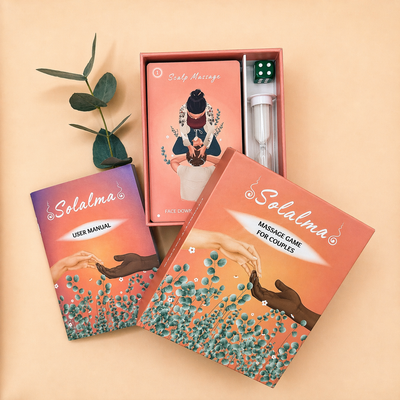
Solalma Massage Game for Couples
Designed to help you give meaningful massages with confidence, even if you’ve never done it before.
Discover the GameFinal thoughts
People often assume that giving a good massage is all about technique. From my experience, that’s only a small part of it.
The massages people remember most aren’t necessarily the longest or the most technical. They’re the ones where they felt comfortable enough to slow down, let go of the day and enjoy someone’s full attention.
So don’t worry if your movements aren’t perfect or if you forget something you’ve read. Start with gentle pressure. Move slowly. Pay attention to your partner and enjoy the process together.
And remember, your partner isn’t expecting a professional massage. They’re simply looking forward to spending uninterrupted time with you. More often than not, that’s what they’ll remember long after the massage is over.